

EXPERIENCE THE VALLEY AT A EASY TIMES
Il Riparo is the starting point for exploring the Aosta Valley, but also the place to return to when the day is over: from here, you can choose every day between trails, castles, events, villages, wineries, days in the snow, or simple walks, consulting the updated links dedicated to events and itineraries.
And when you don't feel like going far, you can really slow down: choose a book from the small library in the house, find a quiet corner, enjoy the cool meadows on summer evenings, have a chat away from the noise and raise your eyes to a darker sky, where the stars can truly be seen again.
Because sometimes the beauty isn't just all the things you can do outside, but also having a quiet, welcoming, and peaceful place to return to.
Scrolling through the page you will find various ideas... they are not all, but the host of the property is available to advise you.

DELIGHT
JANUARY
Sant'Orso Fair – Aosta, January 30 and 31. Every year, the historic center of Aosta transforms into a huge open-air festival: over a thousand Aosta Valley artisans display works in wood, soapstone, iron, fabrics, and traditional local objects along the city streets. It's a unique opportunity to discover the crafts, flavors, and culture of the Aosta Valley in a unique atmosphere, filled with music, folklore, and lively bars.
Don't miss the Veillà, the great night of celebration that takes place between January 30th and 31st: the town center stays alive until late at night with wineries, courtyards, and open bars, traditional music, folk groups, mulled wine, and Aosta Valley specialties. It's probably the most evocative moment to experience a regional event and feel part of the area.
A simple day: snow underfoot, mountains before your eyes and a hot polenta upon arrival
In winter, the Aosta Valley offers countless trails through woods, valleys, and Alpine panoramas, depending on snow conditions. You can opt for a simple scenic walk or a full-blown snowshoe hike, for example in the areas of Pila, Saint-Barthélemy, Cogne, Val Ferret, or Valtournenche.
And after a few hours in the snow, the best ending is often in a refuge or mountain hut: polenta concia, carbonada, sausage, Aosta Valley cheeses, and a glass of wine, perhaps in front of the stove or with a view of the mountains.
FEBRUARY
In February, the Aosta Valley is not just about skiing: it's the sound of the bells of the landzette in the small villages, a snowshoe walk in the snow and a hot dinner after a day spent in the mountains.
❤️ Valentine's Day between snow and mountains
February is also the perfect time for a romantic weekend in the Aosta Valley. A day can begin with a walk in the snow or a few hours on the slopes, and continue in Aosta's historic center, with an aperitif, a traditional Val d'Aosta dinner, and an evening stroll through the illuminated streets.
For something even more special, you can choose a snowshoe hike at sunset, lunch at a mountain hut, a day at the spa, or simply return after a day on the snow and enjoy the tranquility of home.
The beauty is being able to plan your weekend without complicated plans: mountains during the day, a good dinner in the evening, and the silence of the valley for two.
🎭 The Historic Carnivals of Coumba Freida
February also brings one of the most unique events in the Aosta Valley tradition: the Coumba Freida Carnivals, celebrated in the towns of the Gran San Bernardo Valley and Valpelline.
The protagonists are the landzette, masks dressed in spectacular hand-embroidered costumes, decorated with beads, sequins, flowers, mirrors, and bells. According to tradition, their outfits recall the uniforms of Napoleon's soldiers who crossed the Great St. Bernard Pass in 1800. The mirrors, colors, and ponytails also have a symbolic meaning, ward off evil spirits and winter.
Carnival isn't just a parade: in towns, the Benda, the masked group, goes from house to house, dancing in the streets, meeting locals, and being welcomed with food and drink. It's still a celebration deeply rooted in the local community, making it decidedly different from the more touristy carnivals.
Among the villages involved are Étroubles, Saint-Oyen, Allein, Saint-Rhémy-en-Bosses, Gignod, Roisan and Doues, with celebrations spread over several days during the Carnival period.
⛷️ Ski mountaineering and winter mountains
February is one of the best months to experience the mountains away from the busiest slopes. The Aosta Valley offers numerous ski mountaineering itineraries, from simple outings to high-altitude excursions, through snow-covered forests, quiet valleys, and sweeping Alpine panoramas.
Among the best-known areas are Pila, Valgrisenche, Val di Rhêmes, Cogne, Saint-Barthélemy, the Gran San Bernardo Valley and the Monte Rosa area.
For those unfamiliar with the area or looking to tackle more challenging itineraries, the best option is to rely on the Alpine Guides of the Aosta Valley, especially since snow conditions and avalanche risk can change rapidly.
It's a different way to experience winter: climbing in silence, reaching high altitude and enjoying the descent on the snow away from the ski lifts.
MARZO
In March you don't have to choose between winter and spring: you can walk on the snow in the morning and find the sun and the first green meadows going down towards Aosta in the afternoon.
☀️ March – Snow, sun, and the first signs of spring
March is the month when in the Aosta Valley you can experience two seasons in the same day. Snow is still a major feature at high altitude, and the longer days allow you to enjoy the last of your skiing in the spring sunshine, often with more pleasant temperatures than the mid-winter months.
Descending towards the valley floor, however, the landscape slowly begins to change: the snow gives way to meadows, the paths most exposed to the sun begin to dry out, and the first spring walks around Aosta become possible again, while in the surrounding mountains winter continues.
It's therefore an excellent time for those who don't want to choose: skiing or snowshoeing in the morning and a walk, aperitif, or a visit to Aosta in the afternoon.
🍫 Art & Ciocc and spring in the center of Aosta
The city is also starting to come alive with spring events. From March 6th to 8th (check dates each year), Piazza Chanoux hosts Art & Ciocc, the chocolatier tour: stands by master chocolatiers, tastings, specialties from various regions, and truly artistic chocolate creations in the heart of the historic center.
Aostaland, the city's large amusement park, is also back during the same period, running from March 6th to April 6th in 2026. This is another opportunity to combine a day on the snow with a few hours in the center of Aosta, especially for those traveling with their families.
❄️ Snowshoeing at Lake Arpy
For those still seeking winter, March is one of the best times for a snowshoe hike to Lake Arpy, above Morgex. Starting from the Colle San Carlo area, at about 2,000 meters, you'll enter the forest until you reach the lake, surrounded by mountains and often still completely covered in snow.
This isn't just a theoretical suggestion: in March 2026, several guided snowshoe excursions to Lake Arpy were organized, including outings at the end of the month. One of the options included a walk of about an hour and a half each way, with the option of lunch at the end of the hike.
For those who wish to continue, the route to Colle della Croce, above the lake, is ideal for the March-April period and offers even more expansive views of the snow-covered valley.
🏔️ The beauty of March: choosing at the last minute
Perhaps this is the month's true highlight. If it's snowed, we head up. If the sun has already melted the snow lower down, we explore the valley floor.
You can start the day with skiing, snowshoeing, or a walk in the snow, stop for polenta or lunch in the mountains, and in the afternoon, head down to Aosta to visit the historic center, enjoy an aperitif, or participate in seasonal events.
APRIL
April is the Aosta Valley that changes color: the peaks are still white, the meadows begin to bloom again and just follow a path between vineyards and castles to discover a Valley completely different from that of winter.
🌸 April – The Valley awakens
April is one of the best months to discover a different side of the Aosta Valley beyond the ski slopes. The valley floor is filled with greenery, the first flowers bloom, and mild days begin to appear, while the snow still lingers on the peaks. It's the perfect time to hike away from the summer heat, visit castles and small villages, and stop among the vineyards and towns of the central valley.
🐮 The Queen Battles prime
With spring, the Batailles de Reines (Queen Battles) also begin again, one of the most authentic traditions of the Aosta Valley. This isn't a spectacle designed for tourists: the Valdostan cattle naturally maintain a strong hierarchy within the herd, and the battles serve to determine which will be the "Reina," or queen.
The preliminary rounds take place in various towns throughout the Valley during spring and autumn, creating truly festive days, well-attended by locals.
It's a wonderful opportunity to see an Aosta Valley still deeply rooted in its rural culture: farmers, families, cowbells, Aosta Valley cattle, and the crowd gathered around the arena.
🥾 Cammino Balteo: the perfect season to start walking
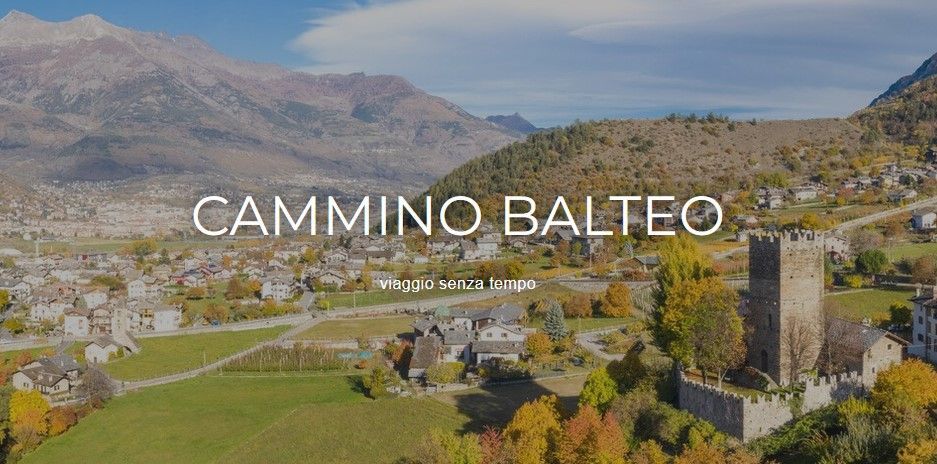
April is a particularly good time to explore the Cammino Balteo, the great hiking trail that runs through the Aosta Valley, mostly at medium and low altitudes. It's nearly 350 km long, divided into 23 stages, and passes through more than 40 municipalities, including trails, ancient roads, vineyards, forests, villages, castles, and archaeological sites.
Of course, you don't have to walk the entire route: you can also choose just a few hours' stretch, turning it into a simple day trip. The regional tourism portal recommends spring and autumn as particularly suitable seasons for the Cammino Balteo.
For those staying near Aosta, there's also a very practical option: one of the stages connects Aosta to Fénis, passing through Pollein, Brissogne, and Saint-Marcel until arriving at the famous castle. The entire itinerary is about 20 km, but individual sections can also be chosen.
🏰 Castles, vineyards and small villages
Spring is also perfect for creating a day without a real excursion: a castle in the morning, lunch in a village, and a stroll through vineyards and small villages in the afternoon.
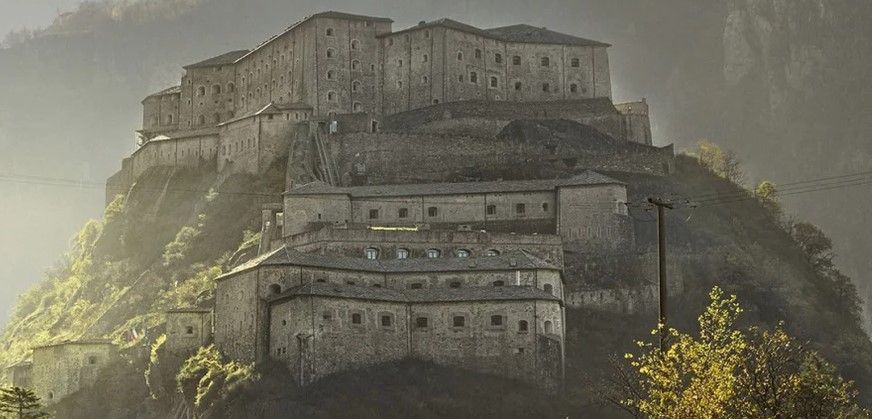
From the Aosta area, you can easily reach, for example, Fénis, Saint-Pierre, Sarre, Aymavilles, and the Bard Fort, alternating cultural visits with short walks. The Cammino Balteo itself was designed specifically to traverse this landscape of rural architecture, pastures, vineyards, and historical sites.
🐕 Spring in the Valley with the dog
April is also one of the most pleasant times for those traveling with their dog: temperatures are generally cooler than summer and many low- and medium-altitude trails are already accessible, making it easier to organize walks without necessarily having to tackle demanding treks.
You can set off for a few hours, stop in a village or scenic area, and return in the afternoon, choosing your route each day based on the weather and the snow still present at higher altitudes.
MAY
May is the month of green: a walk among the vineyards, a castle along the road, a cellar to stop at and, in the background, the last peaks still white with snow.
🌿 May – Vineyards, castles, and days out
May is one of the most pleasant months to explore the Aosta Valley away from the ski season. The days are getting longer, the valley floor is now completely green, the meadows are in bloom, and the vineyards are coming back to life, while the highest mountains still have snow on them.
It's the perfect time to combine walking, cycling, castle visits, and tastings, without the heat and crowds of the summer months. The regional tourism portal also recommends May as a particularly good time to explore the Valley's natural and cultural landscapes.
🍷 Strolling through the vineyards
There's something special about viticulture in the Aosta Valley: many vineyards grow on terraced slopes and very steep slopes, in a landscape where rows of vines, dry stone walls, castles, and mountains coexist within a short distance.
In spring, low-altitude itineraries through vineyards are particularly beautiful. One example is the loop between Saint-Pierre and Sarre, which passes through vineyards and apple orchards with views of the Saint-Pierre and Sarre castles and the Torrette terraces. Another option is the Aymavilles area, where the trails pass through vineyards planted with native varieties such as Petit Rouge, Fumin, and Cornalin.
They're perfect walks even without wanting to tackle a real hike: a few hours on foot, a visit to a castle, and then a tasting at a winery.
🥾 Cammino Balteo and spring trails
May is also one of the best months to walk some sections of the Cammino Balteo, which remains mainly at lower altitudes and passes through villages, woods, vineyards and countryside of the central valley.
Spring, together with autumn, is indicated as one of the ideal periods for this itinerary.
There's no need to tackle entire stages: you can choose short routes lasting a few hours, perhaps building a day that combines a walk with a cultural or gastronomic visit.
🏰 A castle in the morning, a cellar in the afternoon
During this time of year, it's especially easy to plan your days without a strict schedule. The Central Valley allows you to quickly reach castles, small villages, and wine-growing areas, traveling between Saint-Pierre, Sarre, Aymavilles, Fénis, and other towns.
The Region offers itineraries dedicated to the castles of the central valley, immersed in vineyards and chestnut groves.
A day could then simply become:
walk through the vineyards → visit to a castle → Aosta Valley lunch → tasting in the cellar.
🍷 Open Cellars
Then, at the end of May, comes Cantine Aperte, the national event dedicated to wine tourism.
With visits to wineries, tastings, pairings with local products, and experiences organized directly at participating wineries.
It's a wonderful opportunity not only to drink good wine, but also to meet its producers, see where it originates, and understand the unique nature of growing grapes in an Alpine region like the Aosta Valley.
🚲 E-bike and nature
With generally mild temperatures and many roads and valley paths now free of snow, May is also a great time for e-bike excursions.
You can cycle through small villages, vineyards, and castles without necessarily seeking out technical mountain bike trails. And it's probably one of the most photogenic months of the year: deep green, flower-filled meadows in the foreground, castles and vineyards mid-valley, and still-snowcapped mountains in the background.
JUNE
In June, you can set off in the morning for a trek, cycle down from Pila, or tackle the Dora rapids, and still have enough light for a shower, an aperitif, and dinner in the center of Aosta.
🚵 Pila by mountain bike: from the mountains to Aosta
In June, Pila completely changes its appearance. Once the ski season is over, the summer season begins with the Bike Park, mountain bike, e-bike, and enduro rentals, and a vast network of trails.
Pila Bikeland is one of the Alpine hotspots for downhill and freeride: the area extends from the Stella di Pila area, at over 2,700 meters, to the heights near Aosta, with over 130 km of trails and approximately 2,100 meters of total elevation gain. There are technical trails for experienced riders, as well as less extreme routes and the option of using e-bikes and enduro bikes.
This is the spectacular thing: you go up from Aosta by cable car with your bike and then descend through woods, meadows and trails carved into the mountain, with the valley floor getting closer and closer with every bend.
🌊 Rafting on the Dora Baltea
June is also one of the best months to begin experiencing the Valley from the water. The Dora Baltea flows through the entire central valley and is one of the most popular Alpine rivers for rafting.
The experience can range from the most tranquil and accessible descent to decidedly more sporty stretches: helmet, wetsuit, paddle and then rapids, spray and mountains all around.
For a guest of the Riparo it is an interesting proposal because it allows you to do something completely different from the classic trekking:
Rafting morning → lunch → relaxing afternoon in Aosta or at home.
🥾 The real mountain treks begin
As June progresses, many routes that were still covered in snow in the previous months gradually open up.
This is the time when you can start climbing towards alpine lakes, valleys, mountain pastures and refuges, keeping in mind that at the beginning of the season the conditions vary greatly with altitude and exposure.
In Pila, for example, you can go from a very simple walk to the Hermitage of San Grato to more demanding itineraries towards Lake Chamolé and the Arbolle Refuge.
And June has a huge advantage here: the days are incredibly long. There's no need to rush home.
You can set off in the morning, walk, have lunch at the refuge, and still have plenty of time to return, rest, and have dinner in the center of Aosta.
🍖 We ham in Saint-Marcel
Saint-Marcel hosts ProsciutTiamo, three days dedicated to the famous local raw ham flavored with mountain herbs.
It's not just a festival: the event unfolds along a true "Prosciutto Route" of about 18 km, from the town towards the hamlets and the Servette mine area, with food stalls, music, folklore, and other initiatives spread throughout the area.
The program also includes concerts, DJ sets, food stands and the Vertical Saint-Marcel.
🏛️ Archaeology: A Special Weekend in Aosta
The European Archaeology Days are an opportunity to have free access to several archaeological sites in the Aosta Valley.
For Aosta, this is far from a secondary theme: in a single day, you can alternate between Roman ruins, the historic center, and the mountains, without having to travel far.
🎬 Cactus Film Festival and open-air cinema
The Cactus International Children's and Youth Film Festival, with most of the events taking place in Place Chanoux.
The program isn't just about children's films: it includes short films, feature films, workshops, classic films, talks, and even a Breakfast Club with a sunrise screening and breakfast. The events are free.
It's just the kind of event that makes returning after a day outdoors a pleasant experience: a hike during the day and a movie in the square in the evening.
🎵 Concerts and summer evenings in Aosta
June also marked the start of the Aosta Summer Festival.
The program includes several events, different from year to year.
Then there are more local events, such as Printemps en Musique, concerts and cultural initiatives spread throughout the month.
🏃 Trail and mountain sports
June also kicks off the season of major mountain running races.
The Licony Trail between Morgex, La Salle and Pré-Saint-Didier, with 13 and 33 km routes and the Cervino Matterhorn Ultra Race.
JULY
In July, the day can begin in front of a lake at 2,000 meters and end, many hours later, in front of a glass of wine in the center of Aosta.
☀️ July – Summer at high altitude
July is the month when the mountains truly come into their own. The high-altitude trails are generally accessible, the refuges are open, and the side valleys offer endless opportunities for walking, cycling, picnicking, or simply seeking some fresh air.
It's the perfect time to alternate daytime excursions with evenings in Aosta or its small villages, taking advantage of the long days and cooler temperatures compared to the cities on the plains.
🍀 Celtic Aosta Valley
One of the most unique events of the month is Celtica Valle d'Aosta, the great international festival dedicated to Celtic music, art, and culture.
It takes place mainly in the suggestive Bosco del Peuterey, in Val Veny, at the foot of the Mont Blanc massif.
It's not just a series of concerts: throughout the days there are itinerant music, dances, craft workshops, conferences, historical reenactments, a market, activities for adults and children, and shows in the woods.
The atmosphere is probably the most unique: music, fires, costumes, and tents nestled in the woods, surrounded by the Mont Blanc mountains. Even the food is reminiscent of the region, with Fontina, motsetta, boudin, Aosta Valley cheeses, and hot dishes.
🏔️ Val Veny and Val Ferret
Even outside the festival, Val Veny and Val Ferret deserve a whole day.
They are two of the most spectacular valleys in the region, both at the foot of Mont Blanc, but with different characters: Val Veny is wilder and dominated by glaciers, while Val Ferret offers large meadows, forests and open views of the Grandes Jorasses.
Here you can choose short walks or longer treks, stopping at a refuge for lunch.
A very simple day can become:
walk → lunch at the refuge → afternoon in the meadows → aperitif in Courmayeur.
Gran Paradiso: the kingdom of summer hikes
July is also one of the best times to enter the Gran Paradiso National Park.
The valleys of Cogne, Valsavarenche, and Rhêmes offer itineraries for all levels, from easy walks to excursions to mountain huts and alpine lakes.
With a bit of luck, you can spot ibex, chamois, and marmots, especially by leaving early in the morning and visiting less crowded areas.
💧 Alpine lakes and high-altitude picnics
In July, many alpine lakes become accessible.
Among the most popular destinations we can suggest, for example:
- Lago d’Arpy
- Lake Chamole
- Lake of Place Moulin
- Lauson Lakes
- Blue Lake of Cervinia
- small lakes and valleys reachable from Pila, Cogne and the side valleys.
It's the perfect time to prepare something to eat and spend a few hours at altitude, or head to a mountain hut and let them take care of the polenta.
🚵 Pila: downhill, MTB and e-bike
Naturally, the Pila Bikeland season continues in July too.
Cycling enthusiasts can take the lifts up and spend the day on downhill, enduro, or e-bike trails, taking advantage of the significant elevation gain between the mountain and Aosta.
For those who don't want to tackle technical trails, Pila remains an excellent starting point for simple e-bike rides or scenic walks.
🌊 Rafting and water sports
The Dora Baltea continues to offer rafting and other river activities.
On a hot July day, spending a few hours on the water can be a much more enjoyable alternative to a traditional hike.
Depending on the centers and the available stretches, you can find more tranquil activities or decidedly more sporty descents.
💦 Streams, waterfalls and a bit of coolness
On hot days, you can seek refreshment along streams, waterfalls, and green mountain areas, always choosing safe and accessible areas.
🧺 Picnics, shelters and days without a watch
July also allows you to plan almost nothing.
You can buy something in Aosta, hike up into a valley and choose a meadow or picnic area, or reach a refuge and stop for a traditional lunch.
Polenta, fontina cheese, meat, platters, homemade cakes, and then a lawn to lie down on for half an hour are already a perfectly valid plan.
Evenings in the villages and in Aosta
With long days, the beauty is that the mountains don't necessarily take up the whole day.
After a trek, you can return, rest, and head out again for dinner in Aosta's historic center, a village festival, a concert, or an open-air festival.
In July, many municipalities organize patronal festivals, fairs, concerts, and cultural events.
AUGUST
In August, the Valley is alive from dawn until night: paths and lakes during the day, festivals in the villages in the evening and stars above your head when everything goes dark.
☀️ August – High mountains, festivals and traditions
August is the busiest month of the Aosta Valley summer. The high-altitude trails are usually at their peak, the refuges are all open, and almost every valley hosts festivals, fairs, markets, or traditional events. It's the perfect time to alternate days in the mountains with evenings spent in the villages and in Aosta.
🪵 Summer Fair in Aosta
The Foire d'Été is the grand summer version of the Aosta Valley artisan tradition. In the historic center of Aosta, hundreds of artisans display works in wood, stone, iron, fabrics, ceramics, and other traditional Alpine materials.
In 2026, there were approximately 400 exhibitors, spread throughout the city center. It's a wonderful opportunity to see Aosta Valley crafts in a more relaxed and lively atmosphere than the winter Sant'Orso Fair.
🎲GiocAosta
August also brings GiocAosta to the city, one of the most unique events of the Aosta summer. Piazza Chanoux and other areas of the city center fill with board games, role-playing games, tournaments, family activities, and play installations.
It's not just an event for children: it attracts enthusiasts from all over Italy and transforms the center of Aosta into a large outdoor play area.
🥾 The best time to climb to altitude
August is the month when you can finally make the most of the network of Alpine trails.
Among the most classic and accessible destinations is Lake Arpy, accessible from Colle San Carlo via a relatively easy and scenic hike. But that's just one of many options: during this time of year, you can explore Val Veny, Val Ferret, Cogne, Valsavarenche, Valgrisenche, Rhêmes, and the Monte Rosa valleys.
Those seeking something more challenging can organize treks to high-altitude refuges, hills, and lakes, while those preferring a quiet day can stop at an alpine pasture or have a picnic with a view.
🧺 Ferragosto in the mountains
Ferragosto in the Aosta Valley is a great day out: pack a picnic, barbecue where permitted, a picnic at high altitude, or lunch at a mountain hut.
It's best to avoid the most popular locations during the central hours if you're looking for tranquility: leaving early in the morning often allows you to enjoy the trails and lakes much more calmly.
🎉 Festivals, village fairs and markets
August is probably the month with the greatest concentration of patron saint festivals, food festivals, markets and local events.
Each valley has its own events, often tied to local products, traditional music, or patron saint celebrations. This is the perfect time to check the events calendar day by day, as there's often something happening just a few kilometers away.
🌠 Shooting stars and summer nights
August is also the month of the Perseids, the most famous shooting stars of the year.
In the Aosta Valley, you only need to get away from the lights of the towns and cities to find much darker skies than in the plains. Cool evenings make it pleasant to relax outside even after a hot day.
Taking advantage of the Riparo's terrace, you can admire shooting stars, far from light pollution, with a good drink and excellent company...
🚵 Biking, rafting and outdoor activities
Naturally, all the summer activities remain available: downhill and mountain biking in Pila, e-biking, rafting on the Dora Baltea, canyoning, and adventure parks.
August therefore also works well for those who don't want to walk every day and prefer to alternate trekking with more dynamic activities.
SEPTEMBER
September finds a Valley halfway between two seasons: still summer on the high roads, the first colors of autumn in the vineyards and the passage of the Tor des Géants to remind us how much this land truly lives in the mountains.
🍂 September – The month of the TOR, the grape harvest and the first autumn colours
September is one of the most beautiful months to experience the Aosta Valley: temperatures become cooler, the trails remain perfectly enjoyable, and the colors slowly begin to change. It's also the month when the entire region is gripped by the energy of the TORX / Tor des Géants, one of the most spectacular endurance trail races in the world.
🏃 TORX and Tor of the Giants
The TORX, with five races that cross much of the Aosta Valley. The heart of the event is the TOR330 – Tor des Géants, 330 km, approximately 24,000 meters of elevation gain, starting and finishing in Courmayeur.
It's a unique race because it involves practically an entire region: competitors cross valleys, hills, refuges and villages, passing at the foot of the great four-thousanders and through the Gran Paradiso National Park and Mont Avic.
Of course, those staying in the Valley don't need to be an ultratrail runner: the fun part is following the race, meeting the runners in the villages, witnessing the start or the passages, and absorbing that special atmosphere made of sport, volunteers, cowbells, and nights in the mountains.
The TOR450 – Tor des Glaciers, 450 km and 32,000 metres of elevation gain, and the other distances of the TORX circuit are also held in parallel.
🥾 Late summer trekking
September is often still excellent for hiking at altitude, but with one huge advantage over August: less heat and generally fewer crowds.
Val Veny, Val Ferret, Cogne, Rhêmes, Valsavarenche, Pila, and the other valleys remain excellent for excursions to lakes, refuges, and hills, while the woods slowly begin to change color.
It's also a perfect month for those who enjoy walking without chasing great performances: a walk in the morning, lunch in a refuge and return in the afternoon, with often beautiful light for photographs and panoramas.
🍇 Harvest, vineyards and Aosta Valley wines
September is also harvest time.
The vineyards of the central valley are starting to change color, and activity in the cellars is in full swing. It's an excellent time to visit wineries, taste local wines, and experience firsthand the unique nature of the so-called heroic viticulture of the Aosta Valley, featuring terraces, steep slopes, and vineyards nestled between mountains and castles.
A day can very easily become:
walk through the vineyards → visit to a winery → tasting → castle or village in the afternoon.
🐮 The Désarpa
With the end of summer comes the Désarpa, the traditional return of the herds from the mountain pastures.
After months spent at high altitude, cows, farmers, and families descend once again to the villages and valleys. In some places, the return of the herds becomes a true celebration, with decorated animals, cowbells, music, local products, and convivial moments.
It is one of the most characteristic images of the late Alpine summer: the herds returning to the valley as the pastures begin to take on the first autumn colors.
🍁 The first foliage trails
We're not yet in full October foliage, but from the second half of September the larches, vineyards, and woods gradually begin to change hue.
It's a wonderful time to hike low and medium altitude trails, the Cammino Balteo, or simply stop along scenic roads and in small villages.
September has precisely this peculiarity: up high it still seems like summer, while in the valley floor autumn is already beginning.
🏰 Villages and castles without the summer crowds
With the decline in August visitors, one of the best times to visit the Aosta Valley castles returns.
Fénis, Aymavilles, Saint-Pierre, Sarre, Issogne, Verrès, and Bard can easily be included in days that combine culture, gastronomy, and short walks.
For those who don't want to go on demanding treks, September is perhaps one of the best months ever: pleasant temperatures, beautiful scenery, and plenty of options even without climbing to high altitudes.
OCTOBER
October smells of woods, freshly baked bread and chestnuts: perhaps the best time to discover the Aosta Valley when it returns to belonging above all to those who live there
🍁 October – Foliage, chestnuts, and Aosta Valley traditions
October is probably one of the most underrated months in the Aosta Valley. The high mountains begin to prepare for winter, but at mid- and low-altitude altitudes, one of the most beautiful times of the year arrives: copper- and gold-hued forests, changing-color vineyards, chestnuts, apples, honey, black bread, and mountain cuisine.
It's the right month for those looking for a quieter, more authentic and much less crowded valley than in summer.
🐮 Regional Final of the Queen Battles
After months of qualifiers throughout the region, the most anticipated moment arrives in October: the Regional Final of the Batailles de Reines, at the Arena Croix-Noire in Aosta.
The best qualified Reines throughout the year meet in front of thousands of spectators for the last big challenge of the season.
The atmosphere is that of a true folk festival: farmers, families, enthusiasts, cowbells, and animals from all over the valley. The cows compete according to their natural hierarchical behavior, and the winners are celebrated as Queens of the Valley. The tradition of the Batailles dates back at least to the 17th century and remains one of the most cherished events for the people of the Aosta Valley.
🍞 Lo Pan Ner – Black bread returns to village ovens
October is also the month of Lo Pan Ner, the festival dedicated to traditional black rye bread.
For one day, in many Aosta Valley villages, the ancient communal ovens are rekindled, once used by families to bake bread together that would last for months.
Today, the festival allows visitors to enter the small villages, see the ovens back in operation, taste freshly baked bread, and rediscover a rural tradition that has been a fundamental part of mountain life for centuries.
It's one of those events that I would recommend precisely because it doesn't seem to be built for tourists:
lit ovens, the smell of bread, large tables and small mountain villages.
🌰 Chestnuts, apples, honey and autumn flavours
October is also the month of festivals.
The Aosta Valley autumn calendar traditionally includes events dedicated to chestnuts, Gressan and Antey apples, Châtillon honey, and seasonal agricultural products.
Added to these is the Marché au Fort in Bard, one of the main events dedicated to the Aosta Valley's excellent agricultural and food products, in an already spectacular setting.
It's the perfect time to build a day without any big excursions:
market → castle or village → Aosta Valley lunch → walk in the woods.
🍂 Foliage: when the Valley changes color
In my opinion, this should become one of the highlights of October on the site.
The woods begin to fill with yellow, orange, copper and red, while at higher altitudes the larches gradually take on their characteristic golden colour.
There's no need to seek out challenging treks. Simply explore medium-altitude trails, secondary roads, or sections of the Cammino Balteo to find yourself immersed in the colors of autumn.
The regional portal presents autumn as the ideal season to combine foliage, gastronomy, villages, and wellness.
🥾 Cammino Balteo and mid-mountain walks
With cooler temperatures, October once again becomes one of the best times for the Cammino Balteo and for low and medium altitude routes.
While high mountain hikes are becoming increasingly dependent on the weather and the first snowfalls, walking in the valley is still very easy.
It's the perfect time to choose itineraries that pass through vineyards, chestnut groves, small villages, and castles, perhaps stopping at a trattoria for lunch.
🍷 New wine and mountain cuisine
After the September harvest, it's time to taste the season's first wines, and heartier dishes take center stage once again.
Polenta concia, carbonada, game, soups, fontina, chestnuts, and Aosta Valley red wines start to make much more sense when the temperature drops outside.
And this in my opinion is a very strong image for October:
a walk in the woods in the morning, chestnuts in the afternoon, and hot polenta in the evening.
🔥 The pleasure of returning to the warmth
October also has a different advantage than the summer months: after a day out, returning home becomes part of the experience.
A walk through the foliage, a visit to a village, a glass of wine, then the return trip when the air begins to cool.
NOVEMBER
November is the month when the Valley slows down: outside the first cold weather arrives, inside polenta, wine, spas and quiet evenings return, while Aosta is already starting to light up for Christmas.
❄️ November – First snow, hot springs, and a Christmassy atmosphere
November marks the final transition into winter. The days are getting shorter, the air is getting colder, and the first snowfalls are beginning to fall in the mountains, while in the valleys, peaceful walks through villages, castles, and now-barren vineyards are still possible.
It's a less crowded month, making it particularly suitable for those seeking peace, relaxation, and a more intimate Aosta Valley.
🎄 Green Christmas Market in Aosta
In November, the Marché Vert Noël opens, Aosta's Christmas market, transforming Piazza Chanoux into a small Alpine village.
With its wooden chalets, lights, decorations, crafts, and local products, the historic center takes on a Christmassy atmosphere well before December. It's the perfect place to stroll leisurely, enjoy a warm drink, and browse gift ideas, Aosta Valley specialties, and artisanal items.
For those staying in the Aosta area, it's also a perfect evening program: a day out and a stroll through the Marché after dinner or in the late afternoon.
♨️ Spas and the first cold weather
November is one of the best months to treat yourself to a day at the spa.
With the cold air outside, the experience of outdoor hot tubs becomes even more captivating. The most popular destinations are the Pré-Saint-Didier and Saint-Vincent spas, ideal for a relaxing day after a hike or simply as a main attraction.
Here the contrast is everything: cold air, warm water and mountains in front.
🏰 Castles and museums
When the weather isn't conducive to staying out all day, November is perfect for discovering the Valley's historical and cultural side.
You can visit the great castles of the central valley, such as Fénis, Aymavilles, Sarre, Saint-Pierre, Issogne and Verrès, or spend a few hours in the museums and archaeological sites of Aosta.
It's one of those months when a simple day works perfectly: a castle in the morning, a Val d'Aosta lunch, a museum or historic center in the afternoon.
🌨️ First experiences on the snow
Depending on how the season unfolds, November can bring the first real days of snow.
At high altitudes, it's possible to find completely wintery landscapes, while lower down, the trails are still passable. It's therefore a transitional period, perfect for those who love to see the mountains change.
Of course, for snowshoeing or snow-covered itineraries, it's always a good idea to check snow conditions and safety before setting off.
🧀 Warm autumn flavors
November is also the ideal month to stop at the table more often.
Polenta, fontina, soups, carbonada, cured meats, and Aosta Valley wines take on a whole new meaning when it's cold outside. Among agritourisms, trattorias, and small eateries, you can transform a rainy or foggy day into a gastronomic occasion.
🌙 The pleasure of tranquility
This is probably the real charm of November: fewer crowds, a slower pace, and warm evenings.
For a couple, it can be a wonderful month precisely because you don't need to fill every day with activities. A walk, a visit, a quiet dinner, and then the return home.
DECEMBER
December is snow during the day, lights and mulled wine in the evening and then the pleasure of leaving the party behind and returning to the silence of "Il Riparo"
🎄 December – Snow, lights, and mountain celebrations
December is the month when the Aosta Valley fully enters its winter spirit: Aosta lights up, the ski areas reopen, the first big snowshoe hikes arrive, and the villages begin torchlight processions, markets, and end-of-year celebrations.
It's the ideal time for those who want to spend a day on the snow and then return to a quiet place, far from the crowds.
🎄 Green Christmas Market in Aosta
Throughout December, Place Chanoux hosts the Marché Vert Noël, open from November to January.
The center of Aosta transforms into a true Alpine village with wooden chalets, handicrafts, traditional products, sweets, wines, and gift ideas. The display also includes a large tree with over 7,000 lights, video mapping near Porta Praetoria, light installations at the Arch of Augustus, and an ice skating rink in Piazza Narbonne.
It's especially beautiful in the late afternoon, when darkness falls and the lights completely change the atmosphere of the historic center.
A day on the snow can end with mulled wine, some shopping at the market, and an evening stroll through the illuminated Aosta.
⛷️ Finally we can ski
The real winter season begins in December.
From Aosta, Pila is the most immediate solution: you can reach it directly by cable car and go from the city to the snow in no time.
But for those who want to explore the Valley there are of course also Courmayeur, Cervinia-Valtournenche, La Thuile, Monterosa Ski, Cogne and the other areas.
You don't even need to be an expert skier: with ski schools, beginner slopes, snowshoe hikes, and mountain huts, you can plan a winter day out even without ever putting on skis.
❄️ Snowshoeing and snow walks
December also marks the return of snowshoeing.
Depending on the snow conditions, you can choose itineraries in the woods or more panoramic routes at high altitude, perhaps with a very simple objective:
walk a couple of hours in the snow and arrive at a cabin or refuge for a hot polenta.
During this time of year, the mountains take on a completely different atmosphere: silent forests, fresh snow, and short days that encourage you to take your time.
🔥 Shelters, polenta, and winter days
December is also the perfect month to experience the mountains without necessarily playing sports.
You can climb up to a snow-covered location, take a walk, and stop for lunch in front of polenta concia, carbonada, sausage, fontina, or a Valdostana soup.
Outside, snow and cold air; inside, a stove, wood, and something warm to eat.
🔥 The end-of-year torchlight processions
In the last days of December, many ski resorts organize traditional torchlight processions on the snow.
As evening falls, ski instructors and participants descend the slopes in a long, luminous serpentine, often accompanied by music, mulled wine, hot chocolate, and celebrations.
In Breuil-Cervinia, for example, on December 30th there will be a torchlight procession by ski school instructors and the Cervino Guides, followed by a fireworks display, with mulled wine and hot chocolate served.
It's one of those evenings that truly feels like "Christmas in the mountains."
🕯️ Nativity scenes, small villages and Alpine Christmas
In addition to major events, December is also the month of nativity scenes, village decorations, small markets, and festivals organized in the municipalities of the Valley.
🥂 New Year's Eve in the Aosta Valley
For New Year's Eve, there can be many different alternatives.
You can choose a tourist destination with music and celebrations, dine in a restaurant or mountain hut, attend a torchlight procession, or spend a quieter evening.
🌌 And then return to silence
After a day of skiing, the Christmas market, a dinner in Aosta or a torchlight procession, you leave the bustle of the city behind and return to the meadows at "Il Riparo"
In winter, the contrast can be even more beautiful: cold air outside, mountains all around, maybe snow on the ground, and then the warmth of the house.